
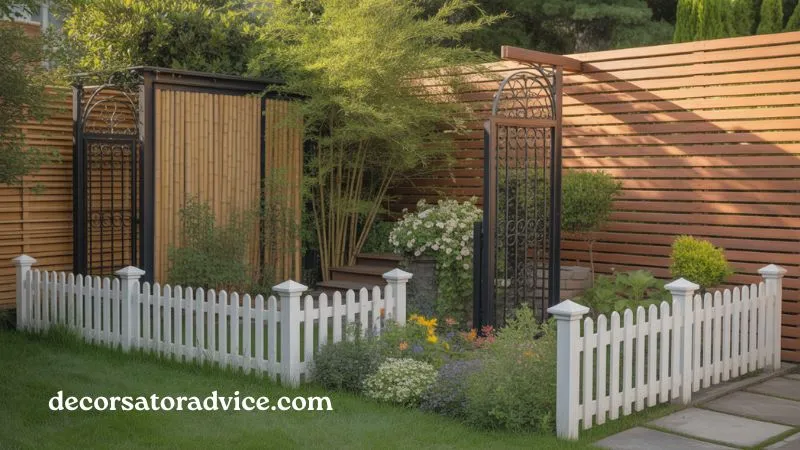
A thriving vegetable garden is a source of fresh, healthy produce and a relaxing outdoor space. But a garden without a fence is vulnerable to pests, animals, and accidental damage. A vegetable garden fence not only protects your crops but also enhances the beauty and structure of your backyard.
Here are 10 creative vegetable garden fence ideas that are practical, easy to implement, and budget-friendly. These options suit small or large gardens, and they provide a mix of functionality and aesthetics.
1. Classic Wooden Fence
A wooden fence is one of the most traditional and reliable options for vegetable gardens. Wood like cedar, redwood, or treated pine is strong, durable, and blends naturally with garden landscapes. Wooden fences provide privacy and a classic garden look.
Benefits:
- Long-lasting and strong
- Easy to paint or stain to match garden style
- Can be customized in height and design
Tips:
- Add a trellis on top for climbing vegetables like beans and peas.
- Use 3–4 feet height to keep out rabbits, or 6 feet to deter deer.
- Ensure posts are anchored securely to withstand wind and weather.
2. Wire Mesh or Chicken Wire Fence
Wire mesh or chicken wire is perfect for keeping out small animals such as rabbits, squirrels, and stray cats. It is lightweight, inexpensive, and allows sunlight and airflow, which are essential for healthy plant growth.
Benefits:
- Affordable and easy to install
- Transparent design allows sunlight and ventilation
- Flexible and adjustable for different garden sizes
Tips:
- Bury the bottom 6–12 inches underground to prevent burrowing animals.
- Attach the mesh to sturdy wooden or metal posts.
- Include a small gate for easy access to the garden.
3. Raised Bed Fence
Combining raised beds with fencing gives extra protection and helps control soil quality. Raised beds make planting and harvesting easier, while the fence keeps pests out.
Benefits:
- Prevents soil erosion and weeds
- Protects vegetables from pests
- Improves garden organization
Tips:
- Use removable panels or mesh for easy access.
- Consider adding a small gate for convenient harvesting.
- Raised bed fences can also act as supports for climbing vegetables.
4. Bamboo or Reed Fence
Bamboo or reed fencing adds a natural and eco-friendly look to your garden. It is lightweight, affordable, and works well in small to medium-sized gardens. Bamboo fences are ideal for decorative purposes and for keeping smaller animals away.
Benefits:
- Environmentally friendly and renewable
- Adds natural beauty and texture
- Easy to move and adjust
Tips:
- Combine bamboo with wire or twine for added stability.
- Use as a decorative barrier or windbreak.
- Place along the garden edges to create a cohesive, rustic look.
5. Living Fence (Hedges or Shrubs)
A living fence made of shrubs, bushes, or fast-growing plants like boxwood, privet, or bamboo grass is both protective and beautiful. Living fences attract pollinators, provide privacy, and create a peaceful garden atmosphere.
Benefits:
- Natural beauty and privacy
- Attracts pollinators and beneficial insects
- Reduces wind and noise
Tips:
- Plant shrubs close together to form a thick barrier.
- Regularly trim to maintain shape and height.
- Flowering shrubs can add color while providing protection.
6. Decorative Metal or Wrought Iron Fence
A metal or wrought iron fence is elegant, durable, and strong enough to deter larger animals. It allows visibility into your garden and can be enhanced with climbing plants for extra greenery.
Benefits:
- Long-lasting and low-maintenance
- Stylish design adds elegance
- Strong enough to prevent entry by large animals
Tips:
- Paint or seal metal to prevent rust.
- Ensure vertical bars are spaced to block small animals.
- Pair with climbing vegetables for a green, decorative feature.
7. PVC or Vinyl Fence
PVC or vinyl fences are weather-resistant, lightweight, and low-maintenance. They are perfect for modern gardens and come in many styles and heights.
Benefits:
- Durable and rot-resistant
- Easy to clean and maintain
- Lightweight and easy to install
Tips:
- Choose 4–5 feet height for most backyard pests.
- Use lattice-style panels to support climbing vegetables.
- Ensure posts are securely anchored to prevent leaning.
8. Pallet Fence
Repurposed wooden pallets offer a budget-friendly and eco-conscious fencing option. Pallets are easy to modify, stack, or arrange, and they can even double as vertical planting areas for extra vegetables.
Benefits:
- Low-cost and sustainable
- DIY-friendly and customizable
- Can be painted or stained for durability and style
Tips:
- Sand pallets to prevent splinters and protect against weathering.
- Stack securely to create a sturdy barrier.
- Use pallets as trellises for climbing plants like beans and cucumbers.
9. Combo Layered Fence
A combo fence combines different materials for maximum protection and visual appeal. For instance:
- Bottom layer: Wire mesh to keep out small animals
- Middle layer: Wooden panels for privacy
- Top layer: Trellis or climbing plants for decoration
Benefits:
- Comprehensive protection from animals of all sizes
- Functional and aesthetically pleasing
- Highly customizable for any garden size
Tips:
- Ensure easy access with gates or removable panels.
- Mix and match materials according to your garden’s needs.
- Use climbing vegetables or flowers to enhance the garden’s look.
10. Recycled Materials Fence
Using recycled materials like old doors, windows, or metal sheets can create a unique and environmentally friendly fence. This method is creative, inexpensive, and adds character to your garden.
Benefits:
- Cost-effective and sustainable
- Personalized and unique design
- Can be combined with other fences for added security
Tips:
- Secure all pieces properly to prevent accidents.
- Paint or seal for protection from weather.
- Incorporate vertical gardening for extra vegetable space.
Key Tips for All Vegetable Garden Fences
- Height matters: 3–4 ft for rabbits, 6–8 ft for deer.
- Accessibility: Always include a gate for easy harvesting.
- Durability: Choose materials suitable for your local weather.
- Aesthetics: Use fences as a decorative feature as well as protection.
- Maintenance: Inspect fences regularly for damage and repair promptly.
- Combination: Don’t hesitate to combine fencing materials for best results.
Conclusion
A well-chosen fence can transform your vegetable garden into a safe, productive, and visually appealing space. From classic wooden fences and wire mesh to living hedges, bamboo, or creative combo fences, there are many options to fit every garden size, style, and budget. Pick the fence that suits your needs, follow the tips above, and enjoy a flourishing garden year-round.