
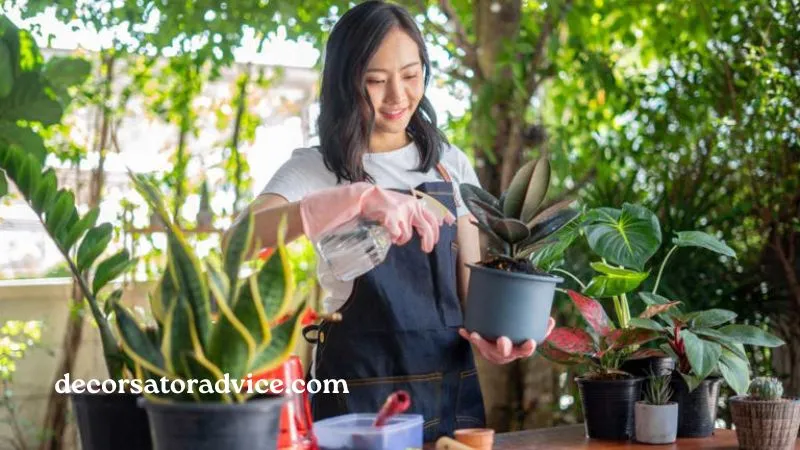
Looking for the best ways to create a stunning decoradyard? A garden is more than just a patch of grass or flowers—it’s a personal retreat, a place to relax, and a space to enjoy nature. Whether you have a small balcony, a cozy backyard, or a spacious lawn, you can create a garden that looks amazing and works well. With the right tips, you can turn your outdoor space into a lively, functional, and beautiful decoradyard.
Here are 10 expert Decoradyard garden tips from DecoratorAdvice to guide you, plus extra advice on plants, DIY projects, seasonal care, and low-maintenance options.
1. Plan Your Garden Layout
Before you buy plants or decorations, make a clear plan for your garden. A good plan keeps your garden organized and prevents overcrowding. Start by:
- Mapping Your Space: Draw your garden layout on paper or use a digital app.
- Zones: Decide where flowers, vegetables, seating areas, and decorative elements will go.
- Sunlight and Shade: Track how sunlight moves across your garden to know which plants will thrive where.
- Paths: Plan walkways so you don’t step on plants or flowers.
Extra Tip: Use a grid or ruler when drawing your garden to make planting evenly spaced and symmetrical. This gives a neat and professional look.
2. Choose the Right Plants for Your Climate
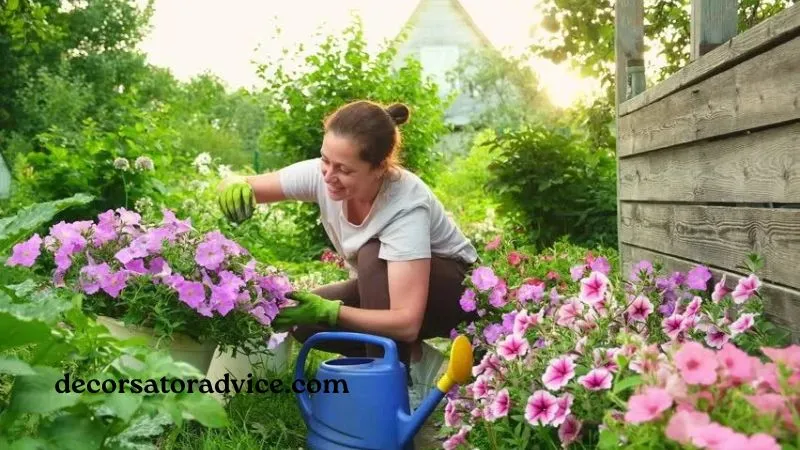
Not all plants grow well everywhere, so choose plants suited to your region, soil, and sun.
- Native Plants: Require less care and attract bees, butterflies, and birds. Examples: Coneflowers, Black-eyed Susans.
- Seasonal Plants: Mix perennials (come back every year) and annuals (bloom one season) for year-round color. Examples: Pansies in spring, marigolds in summer.
- Specialty Plants: Herbs (basil, mint), succulents (aloe vera, echeveria), or ornamental grasses (fountain grass) add variety.
Extra Tip: For hot and dry climates, drought-tolerant plants like lavender, rosemary, and agave thrive. For cooler climates, consider ferns, hydrangeas, or hostas.
3. Layer Your Garden for Depth
Layering adds visual depth and makes your garden look more natural.
- Tall Plants: Trees, tall shrubs, or bamboo at the back.
- Medium Plants: Flowering shrubs or medium bushes in the middle.
- Low Plants/Groundcover: Small flowers, moss, or low grass at the front.
Extra Tip: Mix different heights in flower beds, not just in rows. It creates a fuller and more professional look.
4. Mix Colors and Textures
A garden with only green plants can feel flat. Mix colors and textures to make your space lively:
- Pair soft leafy plants with spiky flowers.
- Use contrasting colors, like dark purple leaves with bright green.
- Plant blooms that appear in different seasons for continuous color.
Examples:
- Vibrant marigolds with lush ferns for a bright contrast.
- Climbing clematis or morning glories for vertical height.
- Silver-leaved plants like lamb’s ear next to pink or red flowers for a soft contrast.
5. Add Functional Decor
Decor doesn’t have to be just for looks—it can also serve a purpose.
- Seating Areas: Benches, hammocks, or swings are perfect for relaxation.
- Pergolas & Arbors: Add shade and style for sunny gardens.
- Tables: Great for outdoor meals, tea time, or DIY gardening projects.
DIY Ideas:
- Build a simple pallet bench or table.
- Paint old pots with bright colors for a playful touch.
- Use recycled wood to make plant stands or trellises.
6. Use Mulch and Compost
Healthy soil is the foundation of a thriving garden.
- Mulch: Keeps soil moist, prevents weeds, and improves soil quality. Use bark, straw, or wood chips.
- Compost: Adds nutrients to the soil. Homemade compost can include fruit peels, vegetable scraps, and coffee grounds.
Extra Tip: Layer 2–3 inches of mulch around plants. Refresh every season to keep plants healthy.
7. Water Wisely
Watering correctly is crucial. Too much or too little water can harm plants.
- Drip Irrigation: Water at the roots efficiently and save water.
- Best Times to Water: Early morning or late evening reduces evaporation.
- Group Plants by Water Needs: Helps you water efficiently and prevents overwatering.
Extra Tip: Collect rainwater in barrels for eco-friendly watering. Self-watering planters are perfect for busy gardeners.
8. Maintain Regularly
A beautiful garden requires ongoing care:
- Pruning: Remove dead leaves and branches to encourage new growth.
- Weeding: Stop weeds from stealing nutrients from your plants.
- Pest Control: Check for bugs and treat naturally when possible.
Even 10–15 minutes a day can make a big difference. Regular care ensures your garden stays healthy and vibrant.
9. Add Personal Touches
Make your garden unique and inviting:
- DIY Projects: Paint pots, make garden markers, or build a bird feeder.
- Lighting: Fairy lights, solar lamps, or lanterns create a magical night-time atmosphere.
- Decorations: Small fountains, wind chimes, or statues add charm and personality.
Extra Tip: Use colors and decorations that match your home or your favorite style. This makes the garden feel like an extension of your home.
10. Low-Maintenance Plants for a Stress-Free Garden
If you want a beautiful garden without spending hours on care, low-maintenance plants are ideal. These plants are hardy, require less water, and resist pests.
Some excellent options include:
- Succulents: Aloe vera, echeveria, sedum—store water in their leaves and need minimal care.
- Lavender: Drought-tolerant, fragrant, and attracts pollinators.
- Hostas: Thrive in shade with lush foliage.
- Ornamental Grasses: Fountain grass, blue fescue adds texture and movement.
- Marigolds: Bright flowers that bloom all summer and repel pests.
Tip: Combine low-maintenance plants with mulch, decorative pots, and simple irrigation for a garden that stays beautiful year-round with little effort.
Tips for a Successful Decoradyard
- Start small if you’re new—avoid overcrowding.
- Keep a journal of plants and their care schedule.
- Rotate flowers and plants seasonally for fresh color.
- Use recycled or upcycled materials for creative projects.
- Enjoy the process—gardening is about creativity and relaxation, not perfection.
Seasonal Plant Guide
- Spring: Tulips, daffodils, pansies.
- Summer: Marigolds, sunflowers, zinnias.
- Autumn: Chrysanthemums, ornamental kale, asters.
- Winter: Camellias, cyclamen, evergreens for structure.
Choosing plants by season ensures your garden always looks alive and colorful.
FAQs About Garden Décor
1. What are easy plants for a decoradyard?
Succulents, lavender, marigolds, hostas, and native plants are low-maintenance and beginner-friendly.
2. How often should I water my garden?
Water early morning or late evening, and group plants with similar needs together.
3. How can I keep my garden colorful year-round?
Mix seasonal flowers, perennials, and annuals, and add colorful foliage or decorative pots.
4. Any simple DIY garden decor ideas?
Paint pots, make garden markers, hang fairy lights, or build small benches and fountains.
Final Words
Creating a beautiful decoradyard requires planning, care, and creativity. By layering plants, mixing colors, using the right species, and adding functional décor, you can make your garden lively and inviting. Regular maintenance and personal touches make it unique and relaxing. Follow these tips from DecoratorAdvice, and your outdoor space will become a stylish, enjoyable, and vibrant retreat for you, your family, and your friends.