
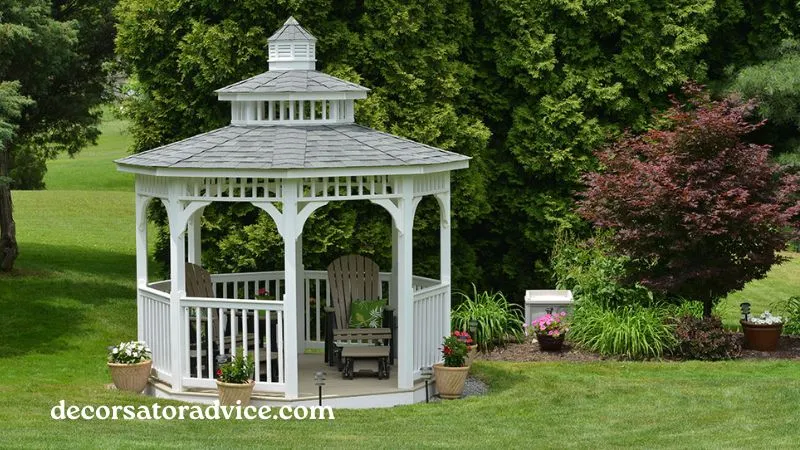
A gazebo brings instant charm to any garden — whether it’s a shaded spot to relax, dine, or unwind. For homeowners with smaller outdoor spaces, the idea of adding a gazebo seems unrealistic. In reality, with thoughtful design and smart choices, even a small yard or patio can feature a stunning, space-efficient gazebo.
Here’s a complete guide to small garden gazebo ideas that balance beauty, function, and proportion to transform limited outdoor areas into stylish retreats.
1. Choose a Size That Fits the Space
The most important rule for small gardens is simple: scale everything down.
Large structures can overwhelm a yard and make it feel crowded. Gazebos between 6×6 and 8×8 feet provide comfortable space for seating or décor without dominating the view.
- Square or octagonal gazebos create symmetry and a balanced look.
- Round gazebos soften corners and add a gentle flow to the layout.
If space is tight, consider a corner gazebo or a wall-mounted design that hugs the perimeter instead of sitting in the center.
2. Keep It Open and Airy
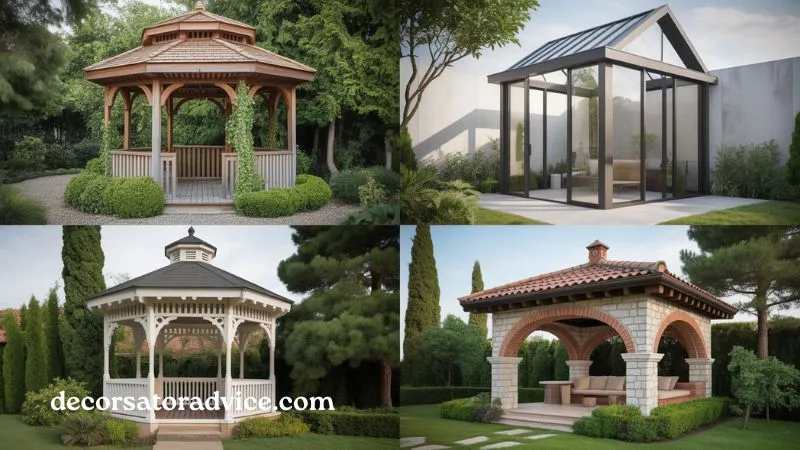
Closed structures tend to make small spaces feel even smaller. Choose a gazebo design with open sides, slender posts, and lightweight roofing materials to maintain a sense of openness.
What works best:
- Open lattice panels for a decorative yet breathable effect
- Flowing outdoor curtains to add privacy when needed
- Transparent or slatted roofing to allow soft, filtered sunlight
This open design creates a cozy, shaded area without closing off the surrounding space.
3. Use Materials That Match Your Garden’s Personality
The materials you choose play a key role in achieving harmony between your gazebo, home, and landscape. Match the finish and tone of your gazebo to your home’s exterior style for a cohesive look.
- Wood gazebos bring natural warmth and blend beautifully with greenery.
- Metal or wrought iron structures work well for modern or minimalist gardens, offering durability and clean lines.
- Vinyl or composite materials are low-maintenance options that resist weather damage while maintaining their appearance.
For a romantic, organic touch, train climbing plants like jasmine, clematis, or roses along the posts and roof frame. Over time, you’ll create a living canopy that changes with the seasons.
4. Position for Purpose and View
Placement matters, especially in smaller spaces. A well-positioned gazebo can make your garden feel larger and more inviting.
- Use it as a focal point — at the end of a path or beside a flower border — to draw the eye outward.
- Tuck it into a corner to keep the center of the garden open.
- Orient it for sunlight — morning light for breakfast spots or afternoon shade for reading and relaxation.
If possible, build it where it’s visible from inside your home. This way, your gazebo enhances both your indoor and outdoor views.
5. Design It for Multiple Uses
A small gazebo can serve multiple functions. With a few thoughtful touches, it can evolve throughout the day — or even throughout the year.
Versatile ideas include:
- Outdoor lounge: Add a small bench, plush cushions, and string lights for cozy evenings.
- Garden dining nook: Use a bistro table and two chairs for intimate meals.
- Mini home office: A foldable desk and chair create a peaceful work zone.
- Meditation retreat: Keep it simple with a yoga mat, soft lighting, and potted plants.
A multifunctional layout ensures every inch of your gazebo adds value.
6. Add Smart Lighting
Lighting transforms a gazebo after dark, adding warmth, shape, and atmosphere while extending usability into the evening.
- Solar-powered lanterns and string lights are simple, energy-efficient options.
- LED strip lighting under railings or along the roofline provides a subtle modern touch.
- Candle-style fixtures cast a soft, romantic glow for dining or relaxation.
Always choose weatherproof outdoor lighting to ensure both safety and longevity.
7. Style with Accessories and Finishes
Finishing touches make the difference between a plain shelter and a personal sanctuary. Add accessories that reflect your style but keep the overall look uncluttered.
Try adding:
- Outdoor rugs for warmth and texture
- Potted plants or hanging baskets for color and freshness
- Throw pillows and blankets for comfort
- Curtains or screens for flexible privacy
Stick to a cohesive color palette that echoes your garden’s overall design — it helps the space look curated, not crowded.
8. Integrate It into the Landscape
A small gazebo should feel like part of the garden, not an afterthought. Integration is key.
Use plants, gravel paths, or stepping stones to create a natural connection between the gazebo and the rest of the yard. Surround the base with low-growing plants or decorative borders to soften the edges. This blending effect makes even a small garden feel larger and more harmonious.
9. Opt for Foldable or Portable Options
If you rent your home or prefer flexibility, a portable gazebo can be an excellent solution. Pop-up or collapsible models are perfect for summer gatherings and can be stored away during the off-season.
Modern versions come in stylish materials and compact designs, making them ideal for patios, balconies, or narrow yards.
Also Read: 10 Smart Gazebo Ideas
Final Thoughts
A small garden shouldn’t limit your imagination. With the right design, a gazebo can turn even a modest yard into a luxurious, multifunctional retreat. Whether you prefer rustic charm, minimalist elegance, or a romantic hideaway covered in blooms, there’s a small gazebo style that fits your space and personality. At the end of the day, it’s not about the size of your garden — it’s about creating a space that feels like you.