
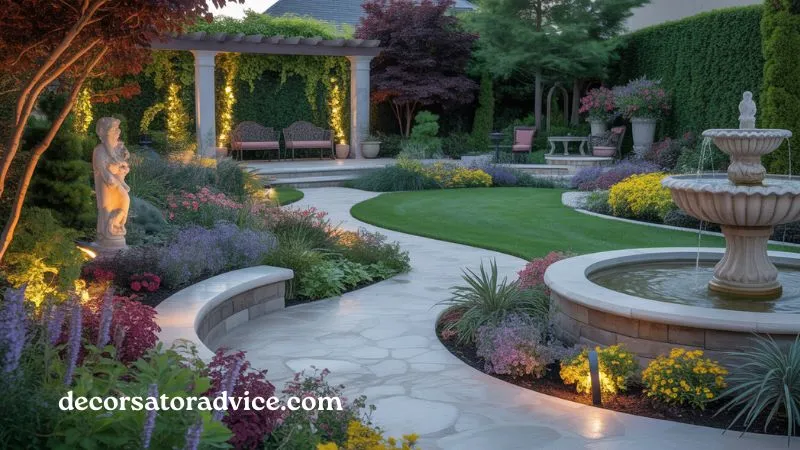
A well-designed garden is more than just a patch of green — it’s a reflection of your lifestyle, taste, and connection with nature. Whether you’re working with a small balcony, a cozy courtyard, or a spacious backyard, the principles of smart design remain the same.
The team at DecorsatorAdvice, through their Decoradyard Garden Tips, emphasizes a balance of beauty, structure, and sustainability. Below is a comprehensive guide inspired by their approach to transforming any outdoor space into something special.
1. Start by Understanding Your Space
Before you begin planting or buying decor, take time to understand your garden’s conditions.
- Light: Observe how sunlight moves throughout the day. Some areas may get full sun while others stay shaded.
- Soil: Check your soil’s texture (sandy, loamy, or clay) and drainage.
- Purpose: Decide what the space will be used for — dining, relaxation, growing vegetables, or play.
- Climate: Choose plants and materials that thrive in your local weather conditions.
Knowing your space sets the foundation for every design choice you’ll make later.
2. Create Clear and Functional Zones
Just like an interior layout, your outdoor area benefits from defined zones.
Consider dividing your garden into:
- A dining zone with a table, chairs, or a small patio.
- A relaxation corner with a hammock, swing, or lounge bench.
- A planting zone dedicated to flowers, shrubs, or vegetables.
- A kids’ or pet-friendly zone, if relevant.
Use hedges, pathways, planters, or trellises to subtly separate these spaces while keeping the garden visually connected. This structure makes the area more usable and organized.
3. Plan Your Planting with Purpose
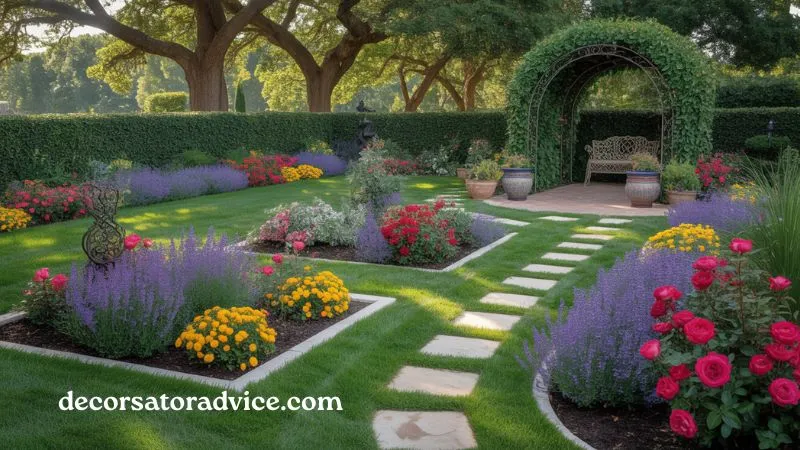
A successful garden relies on thoughtful planting — not just visual appeal, but practicality too.
- Layer your plants: Start with ground covers, then mid-height shrubs and flowers, and finally, taller trees or climbers. This creates depth and interest.
- Group by need: Place plants with similar watering and sunlight requirements together.
- Include native species: They’re easier to maintain, use less water, and attract local wildlife.
- Mix textures and colors: Combine foliage types for variety — glossy, matte, spiky, or soft.
Smart plant planning ensures beauty through every season and keeps maintenance minimal.
4. Illuminate with Purpose
Lighting can completely change how a garden feels after sunset. Use three main types of lighting:
- Ambient lighting for general glow (fairy lights, lanterns, or solar bulbs).
- Task lighting for function (lights near seating or pathways).
- Accent lighting to highlight features (a tree, sculpture, or water element).
Choose solar or energy-efficient LEDs for sustainability and low operating costs. Proper lighting turns an ordinary garden into an inviting nighttime retreat.
5. Go Vertical and Save Space
If you have limited square footage, think vertically.
- Add wall planters, trellises, or hanging baskets.
- Try vertical herb gardens or modular green walls for visual height.
- Secure installations firmly and ensure good drainage for balconies or rooftop gardens.
Vertical gardening makes even the smallest areas feel lush, layered, and alive.
6. Design for Sustainability
A sustainable garden is both eco-friendly and cost-effective.
- Compost organic waste to enrich soil naturally.
- Harvest rainwater for irrigation.
- Use mulch to conserve moisture and reduce weeds.
- Choose drought-tolerant plants suited to your climate.
- Avoid chemical pesticides and opt for natural alternatives.
Sustainable choices lead to healthier plants, lower bills, and a cleaner environment.
7. Add Personality with Furniture and Decor
Furniture and decor complete the garden’s character.
- Use weatherproof materials like treated wood, coated metal, or all-weather rattan.
- Incorporate repurposed items: old crates as planters, ladders as plant stands, or barrels as side tables.
- Layer with textiles such as outdoor rugs, cushions, and throws.
- Include decorative elements — lanterns, sculptures, or wind chimes — to give it charm.
This final touch transforms your garden from a simple space into a personal retreat.
8. Keep Up with Regular Maintenance
A great garden doesn’t stay that way by accident — it needs steady attention.
- Spring: Prune, fertilize, and plant new blooms.
- Summer: Water early morning or late evening, deadhead flowers, and check for pests.
- Autumn: Clear leaves, add compost, and prepare beds for rest.
- Winter: Protect sensitive plants and clean tools.
Creating a maintenance routine keeps your garden vibrant without overwhelming effort.
9. Blend Beauty and Function with Edibles
A garden can be both ornamental and edible.
- Grow herbs, tomatoes, strawberries, or leafy greens in raised beds or containers.
- Combine flowers and vegetables in one bed for color and productivity.
- Use companion planting to deter pests naturally and improve yields.
Edible gardens are rewarding — they feed you, attract pollinators, and look fantastic.
10. Define and Frame with Natural Borders
Borders tie the entire garden design together.
- Use hedges for structure and privacy.
- Try stone, wood, or metal edging to outline pathways and flowerbeds.
- Mix natural materials to add character and texture.
Borders make the garden feel intentional and give it a polished finish.
Bringing It All Together
A truly remarkable garden doesn’t rely on size or budget — it’s built on planning, creativity, and care.
Start by observing your space, then layer structure, plants, light, and personality. Focus on sustainability and easy maintenance, and your garden will evolve beautifully over time.
Whether you’re looking for a peaceful retreat, a productive kitchen garden, or a space to entertain friends, the Decoradyard Garden Tips by DecoratorAdvice will help you design an outdoor area that feels alive, welcoming, and unmistakably yours.