
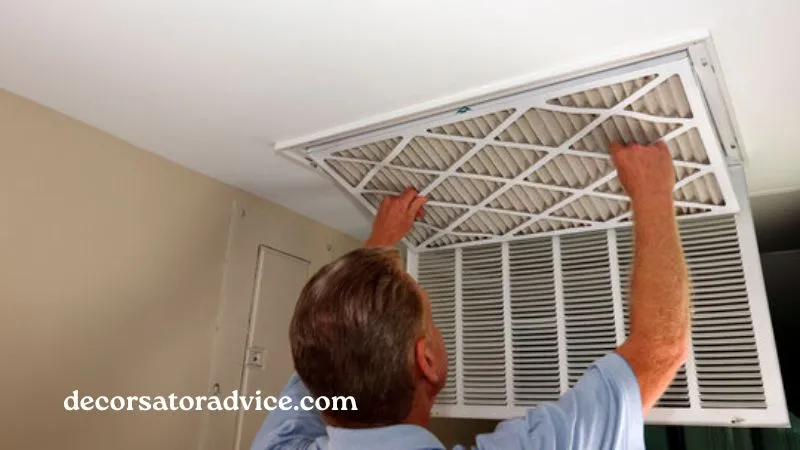
Keeping your home comfortable is not only about heating and cooling. One small but important task plays a big role in indoor air quality and furnace performance: changing the furnace filter. Many homeowners forget this step or are unsure about the right timing. So, how often should you really change a furnace filter? The answer depends on your home, lifestyle, and the type of filter you use. In this article, I will explain everything clearly and practically.
Overview: Why Furnace Filter Changes Matter
A furnace filter traps dust, pollen, pet hair, and other airborne particles before they circulate through your home. Over time, these particles build up and block airflow. When airflow is restricted, your furnace has to work harder to push air through the system. This can lead to higher energy bills, uneven heating, poor air quality, and even system damage.
Changing the furnace filter on time helps maintain clean air, improves system efficiency, and extends the life of your furnace. It is one of the easiest and most affordable home maintenance tasks, yet it has a big impact on comfort and health.
How Often Should You Change a Furnace Filter?
For most homes, the general rule is to change the furnace filter every 1 to 3 months. However, this is not a fixed rule for everyone.
If your furnace runs often, the filter fills up faster. If your home has extra dust or pets, the filter also gets dirty sooner. The key is understanding your home’s specific conditions rather than following a single timeline.
As a safe starting point, check your filter once a month. If it looks dirty or clogged, replace it even if it has not reached the recommended time yet.
Factors That Affect Furnace Filter Change Frequency
Several everyday factors determine how quickly a furnace filter becomes dirty.
Homes with pets usually need more frequent filter changes. Pet hair and dander can clog filters quickly, especially during shedding seasons. If you have one or more pets, changing the filter every month is often best.
Dust levels also matter. Homes in dry, windy, or construction-heavy areas collect more dust. If you notice dust settling on furniture quickly, your furnace filter is likely working harder.
Allergies and respiratory issues are another important factor. If anyone in your home suffers from allergies or asthma, a clean filter is essential. More frequent changes help keep allergens out of the air.
Usage time plays a role as well. During winter or summer, when the furnace or HVAC system runs daily, filters fill up faster than during mild seasons.
Furnace Filter Change Frequency by Filter Type
Not all furnace filters are the same. Their thickness and material affect how long they last.
Basic 1-inch fiberglass filters usually need to be changed every 30 days. These filters are inexpensive but fill up quickly and offer limited filtration.
Pleated filters, which are also often 1 inch thick, last longer and trap smaller particles. They typically need replacement every 60 to 90 days, depending on usage.
Thicker filters, usually 4 to 5 inches, have a larger surface area. These can last anywhere from 6 to 12 months in normal conditions. However, even thick filters should be checked regularly and replaced sooner if they appear dirty.
Always follow the manufacturer’s recommendations as a guideline, but let actual filter condition be the final decision.
Signs Your Furnace Filter Needs Changing
Sometimes the filter needs replacement before the scheduled time. There are clear signs to watch for.
Reduced airflow from vents is a common warning sign. If rooms take longer to heat or feel uneven, a clogged filter may be the cause.
Increased dust around the house can also signal a dirty filter. When the filter is full, dust bypasses it and settles on surfaces.
Rising energy bills without a clear reason may indicate that your furnace is working harder due to restricted airflow.
Allergy symptoms getting worse indoors is another sign. A clean filter helps reduce airborne irritants, while a dirty one allows them to circulate.
A simple visual check can confirm it. If the filter looks gray, dusty, or clogged, it is time to replace it.
How Seasons Affect Furnace Filter Replacement
Seasonal changes strongly influence how often you should change your furnace filter.
In winter, furnaces run more frequently to keep homes warm. This constant use means filters collect particles faster. During cold months, checking the filter every month is a smart habit.
In summer, if your HVAC system includes air conditioning using the same filter, replacement frequency may stay high. Cooling systems also move large volumes of air.
During spring and fall, when heating and cooling use is lower, filters may last longer. However, pollen levels in spring can still clog filters quickly, especially for allergy-sensitive households.
Adjusting filter checks based on the season helps maintain consistent performance year-round.
Benefits of Changing Furnace Filters on Time
Regular filter replacement offers multiple benefits beyond clean air.
A clean filter improves energy efficiency by allowing air to flow freely. This reduces strain on the furnace and lowers energy costs.
Indoor air quality improves when dust, allergens, and pollutants are properly trapped. This creates a healthier living environment, especially for children and older adults.
Furnace lifespan also increases with proper airflow. When the system works less to move air, components experience less wear and tear.
Consistent comfort is another benefit. Rooms heat evenly, and the system responds better to thermostat settings.
Common Furnace Filter Mistakes to Avoid
One common mistake is waiting too long to change the filter. Even high-quality filters lose effectiveness when overloaded.
Using the wrong filter size is another issue. A poorly fitted filter allows air to bypass it, reducing filtration and efficiency.
Some homeowners choose the cheapest option without considering air quality needs. While affordable filters work, investing in a better filter can provide noticeable benefits.
Ignoring regular checks is also risky. Even filters labeled for longer use can clog early under certain conditions.
Conclusion
Knowing how often to change a furnace filter is essential for a clean, efficient, and reliable heating system. While most homes should replace filters every 1 to 3 months, pets, dust levels, health concerns, filter type, and seasonal use can change that timeline. The best approach is simple: check your filter regularly and replace it when it looks dirty. This small habit improves air quality, reduces energy costs, and helps your furnace last longer. A few minutes of maintenance can make a big difference in home comfort.