
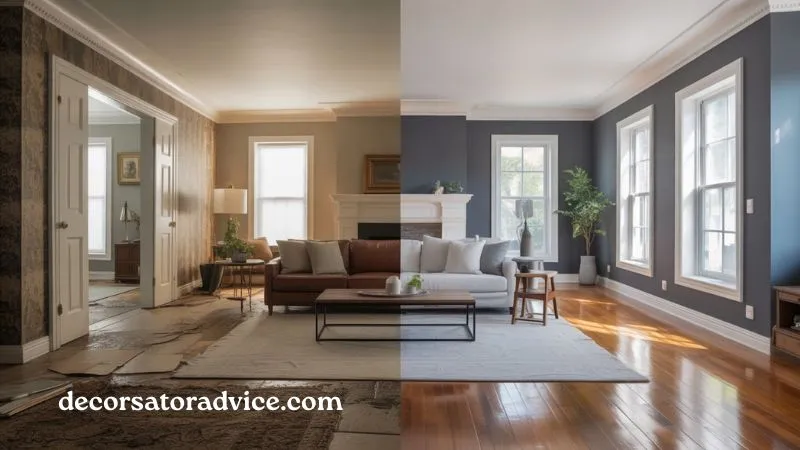
A home renovation: it’s exciting, or overwhelming. It’s one of the few projects in life where emotion meets engineering, creativity meets constraint, and dreams meet drywall. But when it is done right, it’s more than an upgrade-it’s a reinvention. It’s how an ordinary home becomes homenumental: a space which not only looks good, but is lived well.
Designing a homenumental renovation isn’t about spending more; it’s about thinking deeper. It’s about blending purpose, personality, and precision so every corner feels intentional. Here’s how to approach it from start to finish.
1. Start With a Clear Purpose
Every renovation starts with a reason. Maybe your kitchen feels cramped. Maybe your house doesn’t match how you live anymore. Or maybe you simply want to increase property value.
Before you choose paint colors or flooring, articulate why you’re renovating. That “why” becomes your compass.
Ask yourself:
- What do I want this renovation to achieve—comfort, function, resale, aesthetics, or all three?
- How do I want to feel when I walk into the space?
- What’s not working now that I need to fix?
Write your answers down. They’ll guide every design decision, from the layout to the lighting.
2. Rethink Layout: Design in Zones, Not Just Rooms
Traditional design divides the home into rooms with fixed purposes. But modern renovation thinking focuses on zones—areas defined by activity and flow.
For example:
- A kitchen can have multiple zones: prep, cooking, cleanup, socializing.
- An open-plan living room can blend a reading nook, a media corner, and a small workspace—each distinct but visually connected.
This zoning approach keeps your renovation flexible, future-proof, and livable. It also helps you decide where to splurge (areas of daily use) and where to save.
Pro tip: Use lighting, flooring changes, or partial partitions to define zones instead of walls. It keeps spaces open yet organized.
3. Find the Balance: Comfort, Character, and Coherence
Great renovations live at the intersection of three forces: comfort, character, and coherence.
- Comfort: How a space feels physically. Is it warm, inviting, and easy to navigate?
- Character: The personality that makes your home uniquely yours—color choices, materials, furniture, and art that tell your story.
- Coherence: The thread that ties everything together. Does each space flow naturally into the next?
If one of these is missing, the home can feel off—too sterile, too chaotic, or too mismatched. When all three align, the result feels effortlessly right.
4. Design for Real Life—Not Just for Show
Scroll through social media, and you’ll see endless “dream homes.” But most are staged for photos, not lived in.
A homenumental renovation looks beyond trends. It’s built around real life.
That means:
- Choosing materials that last—engineered quartz over marble if you cook daily, for instance.
- Selecting finishes that can handle kids, pets, and everyday wear.
- Designing spaces that flex with your lifestyle. A dining room that doubles as a homework station. A guest room that converts to a home office.
The goal: beauty that endures, not beauty that intimidates.
5. Master the Power of Light
Lighting is the unsung hero of great design. It shapes mood, enhances color, and creates depth.
A solid lighting plan layers three types:
- Ambient lighting – general illumination from ceiling fixtures or recessed lights.
- Task lighting – focused light for work areas: under-cabinet kitchen strips, vanity lights, desk lamps.
- Accent lighting – spotlights, sconces, or LED strips that highlight textures, artwork, or architectural details.
Dimmer switches, natural light, and smart bulbs can dramatically shift atmosphere from bright productivity to evening calm. Never treat lighting as an afterthought—it’s what makes design feel alive.
6. Choose Materials That Tell a Story
Materials matter not only for durability but also for emotion.
Wood warms a room. Stone grounds it. Metal modernizes it. Texture adds depth.
Combining these elements with restraint creates richness without clutter.
A good rule of thumb: limit your material palette to three or four primary finishes per space. Let one take the spotlight, while others play supporting roles.
And whenever possible, choose sustainable materials—low-VOC paints, recycled woods, energy-efficient windows. They look better, last longer, and feel better to live with.
7. Plan for the Future, Not Just the Now
Renovations are long-term investments.
Think beyond current needs:
- Could your office become a nursery later?
- Are your outlets and wiring ready for future tech?
- Is your storage adaptable to life changes?
Future-proofing saves money, time, and stress. It’s also a hallmark of smart design—flexible spaces that evolve with you.
8. Know When to DIY and When to Call the Pros
You can learn a lot from tutorials, but some jobs demand experience.
Do-it-yourself projects are great for painting, decor, or minor upgrades.
But for structural changes, electrical work, or plumbing, hire professionals. A good architect or designer doesn’t just draw plans—they help you avoid costly mistakes, coordinate trades, and refine your vision.
Collaborate closely. Be clear about your goals, your budget, and your boundaries. The right pro can bring your homenumental vision to life with precision.
9. Budget Smart—Spend Where It Counts
Every renovation has financial limits. Prioritize impact:
- Spend more on what you touch daily—flooring, cabinetry hardware, plumbing fixtures.
- Save on elements that are easy to replace later—decor, paint, light fittings.
- Always set aside at least 10–15% contingency for surprises. They will happen.
Budgeting isn’t about cutting corners; it’s about investing wisely.
10. Layer Personality Into the Final Touches
The last 10% of a renovation makes the biggest emotional difference.
Add art, rugs, books, plants—elements that reflect you. Layer textures: linen with leather, matte with gloss, natural with polished.
This is where your home shifts from “renovated” to alive.
11. Think of It as Storytelling
Every homenumental renovation tells a story—of how you live, what you value, and what home means to you.
The kitchen isn’t just where you cook; it’s where mornings begin. The living room isn’t just for guests; it’s where the family unwinds.
When you design with storytelling in mind, the result feels authentic, not staged.
Final Word: Build Something That Lasts
A Homenumental renovation isn’t defined by its scale or budget. It’s defined by its purpose, craftsmanship, and emotional truth. It’s a space that reflects your life now and adapts to who you’ll become later.
Design it thoughtfully. Build it intentionally. Live in it fully. That’s how a house becomes a homenument.
For more decor ideas, visit decorsatoradvice