
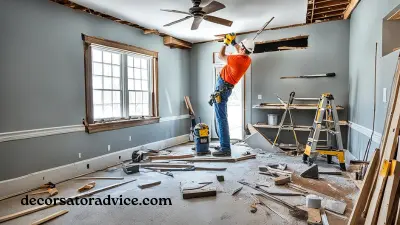
A home renovation is one of the best ways to improve your living space, increase property value, and create a home that reflects your personality. If you’re searching for how to design home renovation homenumental, you’re likely looking for practical ideas to plan a successful renovation from start to finish. Whether you’re remodeling a single room or updating your entire house, careful planning and thoughtful design choices can make a significant difference.
This guide explains everything you need to know to design a renovation project that is both beautiful and functional.
Begin with a Clear Vision
Every successful renovation starts with a clear understanding of what you want to achieve. Walk through your home and identify areas that need improvement. Consider whether you want to create more space, improve functionality, update outdated features, or simply give your home a fresh new look.
Creating a list of priorities before beginning the project helps you stay focused and prevents unnecessary spending later.
Create a Realistic Budget
Budget planning is one of the most important steps in how to design home renovation homenumental. Determine how much you can comfortably spend and divide your budget between materials, labor, furniture, lighting, and finishing touches. It’s also wise to reserve around 10–20% of your budget for unexpected expenses that may arise during construction.
A realistic budget helps you make better decisions throughout the renovation process.
Choose a Consistent Design Style
Selecting one interior design style creates harmony throughout your home. Modern designs focus on simplicity and clean lines, while farmhouse interiors emphasize warmth and natural materials. Scandinavian designs combine functionality with bright, airy spaces, whereas traditional homes feature timeless architectural details and elegant finishes.
Rather than following short-lived trends, choose a style that suits your lifestyle and will continue to look appealing for years.
Improve the Layout Before Decorating
One of the biggest mistakes homeowners make is focusing on decoration before improving the home’s layout. A better floor plan often creates a much bigger impact than new furniture or paint.
If your budget allows, consider opening up living spaces, expanding the kitchen, improving storage, or creating better connections between rooms. Even small layout changes can make your home feel larger and more comfortable.
Make Natural Light a Priority
Lighting plays a major role in home design. Homes with plenty of natural light appear more spacious, welcoming, and energy-efficient. Installing larger windows, adding skylights, or using glass doors can brighten dark areas. Light-colored walls and strategically placed mirrors also help reflect sunlight throughout the home.
Combining natural light with modern LED lighting creates a balanced atmosphere during both day and night.
Select High-Quality Materials
Quality materials may cost more initially, but they usually last much longer and require less maintenance. Hardwood flooring, quartz countertops, ceramic tiles, and durable paint are excellent investments that improve both appearance and long-term value.
Choosing durable materials reduces future repair costs and ensures your renovation continues looking beautiful for many years.
Upgrade the Most Important Rooms
The kitchen and bathroom usually provide the greatest return on investment. Updating kitchen cabinets, countertops, lighting, and appliances can completely transform the heart of your home. Likewise, replacing outdated bathroom fixtures with modern vanities, walk-in showers, and energy-efficient fittings creates a more comfortable and luxurious experience.
Even modest upgrades in these rooms can significantly improve your home’s value.
Choose Colors That Stand the Test of Time
Color selection influences the overall feeling of every room. Neutral shades such as white, soft gray, beige, and warm cream remain popular because they make spaces feel larger and complement almost any furniture style.
Adding color through artwork, rugs, cushions, or decorative accessories allows you to update your home’s appearance without repainting entire rooms.
Incorporate Smart Technology
Modern home renovations often include smart technology that improves convenience and efficiency. Smart thermostats, automated lighting systems, security cameras, and smart door locks help create a more comfortable and secure home while reducing energy consumption.
These upgrades are becoming increasingly popular among homeowners looking to future-proof their properties.
Don’t Forget Storage Solutions
Good storage is an essential part of successful home design. Built-in cabinets, walk-in closets, under-stair storage, and custom shelving help keep your home organized without sacrificing style.
Well-designed storage makes every room feel cleaner, larger, and more functional.
Enhance Outdoor Spaces
Your home’s exterior deserves just as much attention as the interior. Fresh landscaping, updated walkways, outdoor lighting, and comfortable patio areas improve curb appeal while creating additional living space for relaxing or entertaining guests.
A well-maintained exterior also leaves a lasting first impression.
Avoid Common Renovation Mistakes
Many renovation projects exceed budget or experience delays because of poor planning. Avoid rushing into construction without a detailed plan, choosing the cheapest materials available, or constantly changing your design decisions during the project.
Working with experienced professionals and maintaining a clear renovation plan helps minimize costly mistakes and ensures smoother project completion.
Final Thoughts
Understanding how to design home renovation homenumental is about creating a balance between beauty, functionality, and long-term value. By planning carefully, setting a realistic budget, selecting durable materials, and focusing on timeless design principles, you can transform your home into a space that meets your family’s needs while increasing its overall value.
Whether you’re completing a small renovation or a full home makeover, thoughtful design choices will help you create a home that remains stylish, comfortable, and practical for years to come.