
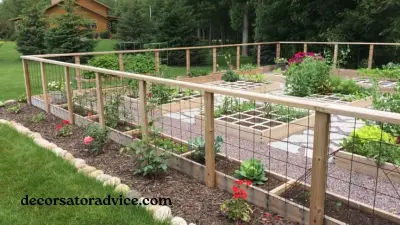
A thriving vegetable garden deserves more than healthy soil and regular watering—it also needs reliable protection. Whether you’re growing tomatoes, cucumbers, lettuce, or herbs, a well-built garden fence helps keep hungry animals away while adding structure and style to your outdoor space.
The best vegetable garden fence ideas combine functionality with visual appeal. From simple wire mesh barriers to charming wooden picket fences and modern metal panels, the right design can complement your landscape while ensuring your crops remain safe throughout the growing season.
In this guide, you’ll discover practical vegetable garden fence ideas, the best fencing materials, design inspiration, and expert tips to help you choose the perfect fence for your backyard.
Why Every Vegetable Garden Needs a Fence
Many gardeners underestimate the importance of a fence until wildlife or pets begin damaging their crops. A quality fence is one of the smartest long-term investments for any vegetable garden.
A properly installed fence can:
- Protect vegetables from rabbits, deer, squirrels, chickens, and neighborhood pets.
- Prevent accidental damage from children or lawn equipment.
- Clearly define your gardening space.
- Support climbing vegetables and vines.
- Improve the appearance of your backyard.
- Increase the overall value and organization of your landscape.
Whether you have a few raised beds or a large backyard garden, fencing provides both security and curb appeal.
15 Inspiring Vegetable Garden Fence Ideas
1. Classic Wooden Picket Fence
A wooden picket fence is one of the most timeless vegetable garden fence ideas. It creates a welcoming cottage-style look while providing a basic level of protection for your plants.
This style works especially well in traditional gardens where appearance is just as important as functionality. You can stain or paint the wood to match your home’s exterior, creating a cohesive outdoor design.
Best for:
- Cottage gardens
- Raised vegetable beds
- Decorative landscapes
- Small backyard gardens
Pros
- Timeless appearance
- Easy to customize
- DIY-friendly
- Budget-conscious
Cons
- Requires periodic sealing or painting
- Not suitable for keeping deer out
2. Wire Mesh Garden Fence
If your primary goal is protecting vegetables from pests, a wire mesh fence is one of the most effective solutions available.
Unlike solid fencing, mesh allows sunlight, airflow, and visibility while creating a strong barrier against rabbits, dogs, chickens, and other small animals.
It pairs well with wooden or metal posts and blends naturally into most landscapes.
Ideal for growing:
- Tomatoes
- Carrots
- Lettuce
- Spinach
- Peppers
- Onions
3. Raised Bed Garden Fence
Raised beds are easier to maintain, and adding a protective fence around each bed offers an extra layer of security. Short decorative fences help keep pets out while creating a clean and organized appearance. This option is particularly useful for herb gardens and leafy vegetables that are often targeted by rabbits.
4. Natural Bamboo Fence
For homeowners who prefer sustainable landscaping, bamboo fencing offers a beautiful natural finish that complements almost any garden style.
Bamboo is lightweight, affordable, and environmentally friendly. Its warm color creates a relaxing outdoor atmosphere while providing moderate protection for vegetable beds.
This style works especially well in tropical, Japanese-inspired, and modern gardens.
Advantages
- Eco-friendly material
- Affordable installation
- Attractive natural texture
- Easy to install
5. Split Rail Fence with Wire Mesh
A split rail fence alone is decorative but doesn’t stop animals. By attaching galvanized wire mesh to the inside of the rails, you get the perfect combination of rustic charm and practical protection. This style looks particularly attractive on larger properties and farmhouse landscapes.
6. Decorative Metal Fence
A decorative metal fence combines durability with elegance. Powder-coated steel or aluminum resists rust and requires very little maintenance, making it an excellent long-term investment.
Metal fencing complements both traditional and contemporary homes while offering excellent protection for vegetable gardens.
7. Chicken Wire Fence
Chicken wire has remained one of the most affordable vegetable garden fencing options for decades. Although simple in design, it effectively keeps out rabbits, chickens, and many small garden pests. Installing sturdy wooden posts every few feet ensures the fence remains secure for years. This option is perfect for first-time gardeners looking for a cost-effective solution.
8. Tall Deer-Proof Fence
If deer regularly visit your property, you’ll need more than a decorative border. A deer fence should be approximately seven to eight feet tall to prevent animals from jumping into the garden. High-strength polypropylene mesh or woven wire fencing offers excellent protection without making your yard feel enclosed.
9. Low-Maintenance Vinyl Fence
Vinyl fencing has become increasingly popular among homeowners because it never requires painting and resists moisture, insects, and rot. Although the initial investment is higher than wood, its durability often makes it more economical over time. A white vinyl fence also creates a clean, polished appearance around vegetable beds.
10. Rustic Branch Fence
Nothing adds character quite like a handmade fence built from tree branches or reclaimed wood. Each section has its own unique appearance, making it an excellent choice for cottage gardens, woodland landscapes, and eco-conscious homeowners. Rustic fencing naturally blends into the surrounding landscape while giving your garden handcrafted charm.
11. PVC Garden Fence
PVC fencing offers an affordable alternative for gardeners seeking a lightweight, weather-resistant barrier. It won’t rust or rot, making it an excellent choice in humid climates where wooden fences require frequent maintenance. PVC frames combined with plastic mesh create an inexpensive yet effective protective enclosure.
12. Ornamental Iron Fence
If aesthetics are your priority, an ornamental iron fence delivers timeless elegance. Its decorative details elevate the appearance of your garden while maintaining an open, airy feel. Plant climbing roses, clematis, or flowering vines along the fence to create a stunning focal point in your backyard.
13. Living Garden Fence
A living fence transforms your garden boundary into part of the landscape itself.
Dense shrubs and flowering hedges naturally discourage animals while attracting pollinators and beneficial insects.
Popular choices include:
- Boxwood
- Privet
- Lavender
- Holly
- Rosemary
Living fences require patience but reward homeowners with year-round beauty.
14. Modern Hog Wire Fence
Modern garden designs often feature hog wire panels framed with cedar posts. This minimalist style provides outstanding visibility, allowing you to enjoy the beauty of your vegetables while maintaining a secure boundary. The combination of natural wood and galvanized steel creates a clean architectural appearance that suits contemporary homes.
15. Recycled Pallet Fence
Gardeners looking for a budget-friendly DIY project can transform old wooden pallets into an attractive vegetable garden fence. Besides reducing waste, pallet fencing offers endless customization opportunities through paint, stain, and creative layouts. With proper treatment, reclaimed wood can provide years of dependable service.
Choosing the Best Material for Your Vegetable Garden Fence
Every fencing material offers unique advantages, so choosing the right one depends on your budget, climate, maintenance preferences, and local wildlife.
| Material | Durability | Maintenance | Best For |
|---|---|---|---|
| Cedar Wood | High | Moderate | Traditional gardens |
| Wire Mesh | High | Low | Pest protection |
| Bamboo | Moderate | Low | Eco-friendly landscapes |
| Vinyl | Excellent | Very Low | Low-maintenance gardens |
| Powder-Coated Metal | Excellent | Low | Modern homes |
| PVC | Good | Low | Budget-friendly projects |
| Chicken Wire | Good | Low | Small animal control |
| Hog Wire Panels | Excellent | Low | Contemporary landscapes |
How Tall Should a Vegetable Garden Fence Be?
The ideal fence height depends on the type of wildlife commonly found in your area.
| Animal | Recommended Height |
| Rabbits | 2–3 feet |
| Chickens | 4 feet |
| Dogs | 4–5 feet |
| Groundhogs | 4 feet with buried mesh |
| Deer | 7–8 feet |
For digging animals like rabbits and groundhogs, bury the bottom portion of the fence at least 6 to 12 inches below ground level for maximum protection.
Expert Tips for Building a Long-Lasting Garden Fence
Professional landscapers recommend planning your fence before purchasing materials.
For the best results:
- Measure the entire garden accurately.
- Install strong corner posts first.
- Use weather-resistant materials whenever possible.
- Stretch wire fencing tightly to prevent sagging.
- Leave enough gate space for a wheelbarrow or garden cart.
- Inspect the fence every season for damage or loose fasteners.
- Apply protective sealant to wooden fences every few years.
Proper installation significantly increases the lifespan of your fence and reduces future maintenance.
How to Choose the Right Vegetable Garden Fence
Selecting the right fence starts with understanding your specific gardening needs.
Consider Local Wildlife
If deer are common, invest in a taller fence. For rabbits or squirrels, choose fine wire mesh with buried edges.
Match Your Home’s Style
A fence should complement your landscape. Wooden picket fences suit cottage homes, while hog wire and metal panels create a sleek modern appearance.
Think About Maintenance
Wood offers timeless beauty but requires regular care. Vinyl and metal fences require minimal maintenance and last much longer.
Set a Realistic Budget
Budget-friendly options such as chicken wire and pallets work well for beginners, while premium materials like cedar and ornamental metal provide long-term value.
Maintaining Your Vegetable Garden Fence
Regular maintenance keeps your fence attractive and functional for years.
Follow these simple practices:
- Clean vinyl and metal fencing annually.
- Repaint or reseal wooden fences when needed.
- Remove weeds growing against the fence.
- Replace damaged posts promptly.
- Tighten loose wire before it begins to sag.
- Inspect gates and hinges every growing season.
Small repairs completed early help prevent costly replacements later.
Frequently Asked Questions
What is the best fence for a vegetable garden?
Wire mesh fencing supported by sturdy wooden or metal posts is one of the best all-around choices because it offers excellent protection, durability, and affordability.
What is the cheapest vegetable garden fence?
Chicken wire and recycled pallet fencing are among the most affordable options. They provide reliable protection without requiring a large investment.
How can I keep rabbits out of my vegetable garden?
Install a wire mesh fence with openings no larger than one inch and bury the bottom 6 to 12 inches underground to stop rabbits from digging underneath.
How tall should a deer fence be?
A fence should be at least seven to eight feet tall to effectively prevent deer from entering a vegetable garden.
Which fencing material lasts the longest?
Powder-coated steel, aluminum, and vinyl are among the longest-lasting fencing materials because they resist weather, insects, and rot while requiring very little maintenance.
Final Thoughts
Choosing the right vegetable garden fence is about finding the perfect balance between protection, durability, and style. Whether you prefer the rustic charm of cedar wood, the affordability of chicken wire, or the sleek appearance of modern hog wire panels, the right fence will safeguard your vegetables while enhancing the beauty of your outdoor space.
Before making a final decision, consider your local wildlife, garden size, maintenance expectations, and overall landscape design. A thoughtfully chosen fence not only protects your harvest but also becomes an attractive feature that improves your backyard for years to come.